


Cross-country ski bindings - how to choose the right one
NNN, SNS, Prolink or something else entirely - how do you know which cross-country ski bindings to choose? This article will give you the answer! We'll simply make sure you get the right bindings for your cross-country skis.

5 things to consider when choosing bindings for your cross-country skis
Ski bindings are a must when it comes to cross-country skiing. They are the ones that connect you and your ski boots to your skis. However, it can be difficult to know which boots to choose, and what to think about.
That's why we're listing 5 points to consider before buying new bindings for your cross-country skis:
- Quality It is very important that you choose a quality binding. One of the most common causes of many skiing accidents is bindings that do not release correctly.
- the size of the binding It may sound obvious, but check once again that the width of the bindings is not greater than that of the skis.
- Your boot - Different binding systems are compatible with different ski boots. This means that if you already have a boot that you really like, you need to make sure it is compatible with the binding.
- yoke style - Depending on whether you plan to use the bindings for classic cross-country skiing or skate/freestyle skiing, there are some bindings that are adapted for one or the other.
- The weight If you have a very light ski, you probably don't want a heavy binding. On the other hand, if you have a heavier ski, the weight of the binding doesn't matter much.

What are the differences between the bonds?
As we have already mentioned, different bindings have slightly different properties. In addition to those already mentioned, the market offers a few different binding systems that are suitable for slightly different ski boots, but which can also have other different properties.
Below we list three of the most common tying systems on the market:
- NNN - A removable binding that is threaded onto the ski. Suitable for shoes from Salomon, Alpina and Fischer, among others.
- SNS - A binding that screws into the ski. Suitable for Salomon, Atomic and Oneway, among others
- Prolink - A binding that screws into the ski. Fits shoes from Salomon, Alpina, Fischer

As you can see, there are two different ways to attach the binding to the ski, either by screwing it on or by threading it on.
The advantage of a binding that you can thread on is that you can easily move it both forwards and backwards. This allows you to change the characteristics of the ski in the middle of a race.
If you choose a binding that is screwed to the ski instead, we recommend that you get help with the installation. An optimally positioned binding means that you can make the best use of the ski's properties.
In conclusion
By choosing a binding that suits you, your skiing style and the rest of your ski equipment, you're sure to have a positive experience on the snow. Hopefully, you'll feel like you've got the help you needed to choose the right binding for your cross-country ski!
However, if you’re unsure which binding to choose, you can always ask our expert staff at Stöten Ski Shop. A warm welcome to you!
Similar articles

SkiPass - find the best lift pass for you
A SkiPass in Stöten gives you access to the best skiing in Sälen. Choose the right lift pass for you!

Guide: How to use your wellness allowance on skiing in Stöten
Did you know that you can use your wellness allowance for skiing in Stöten? Since 2018, the Swedish Tax Agency recognises alpine skiing and ski school as tax-free wellness benefits, opening the way for more people to discover the joys of skiing while improving their health! Here we explain what applies and how you can use your wellness allowance on skiing in Stöten!

Find the best ski equipment for you
If you're an avid skier, you're probably aware of the importance of good ski equipment - but also how difficult it can be to find the right equipment. Here we share our top tips when it comes to ski equipment.
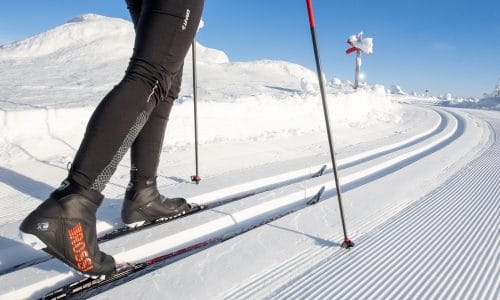
Bindings for cross-country skis
NNN, SNS, Prolink or something else entirely - how do you know which cross-country ski bindings to choose? This article will give you the answer! We'll simply make sure you get the right bindings for your cross-country skis.